5 Budget Meal Prep Tips to Fight Rising Food Costs

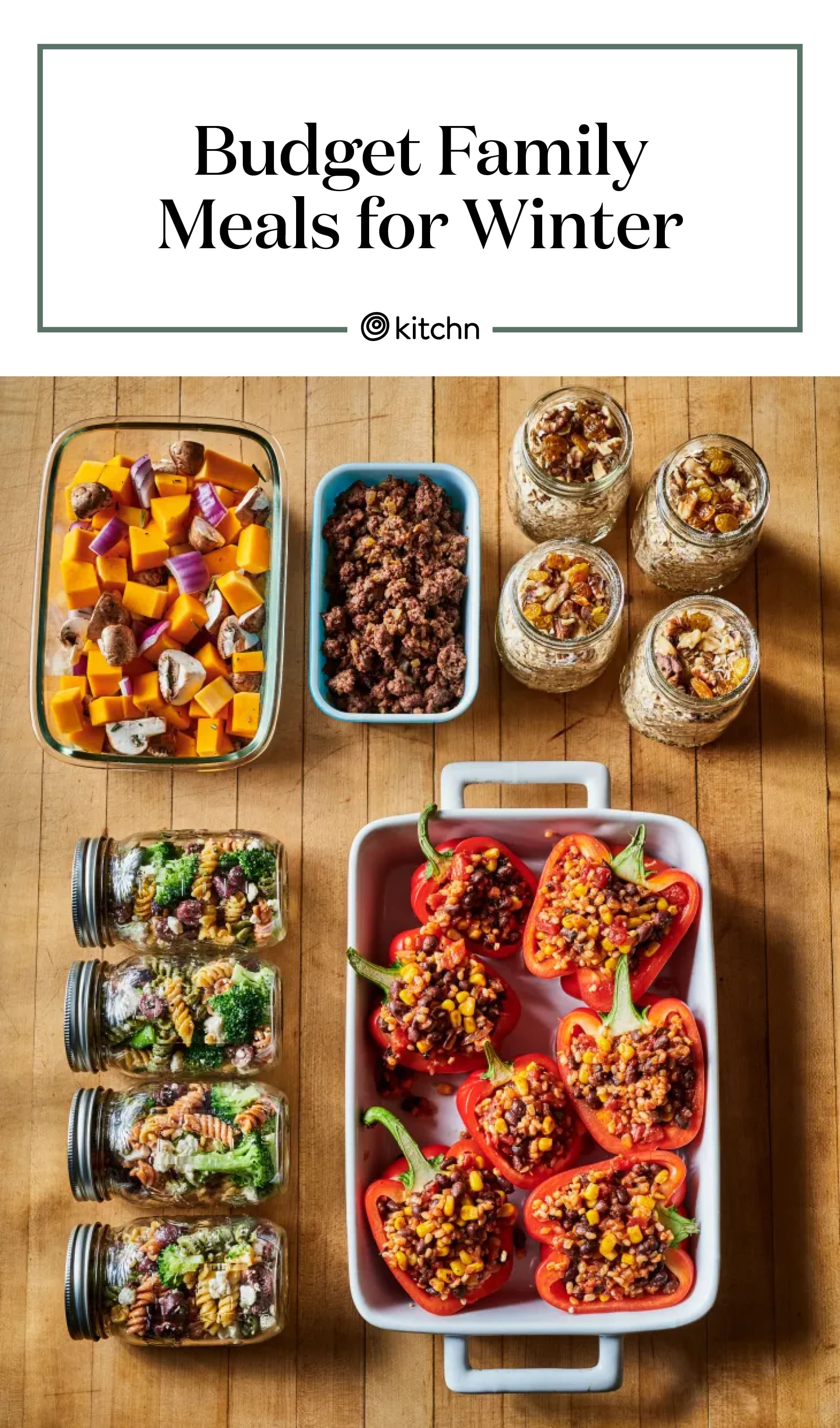
Every spike at the gas pump adds to the cost of trucking food across the country to your nearest store shelf.
When gas and diesel prices climbed this spring, so did the cost of moving food from farms to distribution centers to stores. One Charlottesville restaurant owner told WSET her delivery surcharges doubled, from $5 to $10 per delivery, in a matter of weeks. Virginia Tech public policy researcher David Bieri put it plainly: higher energy prices move through the supply chain, and relief for families at the register could take months. These five meal prep habits won't fix gas prices, but they will cut how much your household spends at the grocery store.
A pot of rice and a batch of dried beans can anchor five dinners without a second trip to the store. Goldilocks Kitchen's batch cooking guide walks through how to prep grains, proteins, and legumes in one session and mix and match them across the week. Dried beans cost a fraction of canned, and rice, pasta, and oats are among the cheapest calories per pound at any grocery store. The guide pegs the average home-cooked meal at $4.23, compared to more than $16 at a budget restaurant — a gap that adds up fast across a month of dinners.
Chicken thighs cost less than breasts and hold up through reheating, which makes them the right call for anything you plan to eat across several days. Berry Street's chicken thigh meal prep guide covers 12 recipe variations — honey sesame bowls, teriyaki, Mediterranean, coconut curry — all built on the same basic prep: marinate for 10 to 15 minutes, bake at 400 degrees for about 25 minutes, portion into containers. The meals keep in the fridge for four days. One cooking session, four days of lunches or dinners covered.
Budget Bytes' freezer recipe library prices out every dish per serving, and the numbers are worth seeing: egg muffins at $0.47, lentil stew at $0.80, chili at $1.55. The approach is simple: cook a large batch when you have time, freeze in single portions, and pull from the freezer on nights when cooking from scratch is not happening. Two or three of these in rotation cuts takeout spending without requiring a rigid weekly plan.
Most families plan meals first, then shop. Flipping that order (starting with what's on sale, then building the week around it) is one of the fastest ways to cut your bill without changing what you eat. Modern Mrs. Darcy's nine-step guide walks through the process: gather the weekly ads, note the deals, check your pantry, then build dinners around the discounted proteins and produce. She includes real price comparisons: chicken breasts marked down from $4.39 to $1.79 a pound, almonds from $5.49 to $3.00, canned tomatoes from $1.19 to $0.33.
Breakfast is the easiest meal to prep in advance and the one most families end up buying on the go. Bob's Red Mill's oat prep guide covers five methods: dry mix jars for weekday stovetop oats, overnight oats, frozen smoothie packs with oats blended in, baked oat muffins frozen individually, and make-ahead breakfast cookies. One batch of the DIY Oatmeal recipe yields eight servings. A large container of rolled oats at most grocery stores runs under $5 and covers weeks of breakfasts.
None of these require a full Sunday or a specialized pantry. Pick the one that fits your week, run with it for two weeks, and add a second when the first is a habit. The savings add up faster than the prep time does.


