A Gut-Wrenching Parasite Is Spreading Across America — and the Safety Net Built to Stop It Was Quietly Dismantled

Every summer, millions of American families sit down to fresh salads, chilled fruit, and garden vegetables — foods we trust because we believe someone is watching to make sure they are safe. That trust is only as strong as the public health systems protecting it, and right now, one of those systems has a serious hole in it.
A parasitic illness called cyclosporiasis is spreading across dozens of U.S. states in the summer of 2026, sickening people with what doctors describe as "explosive" watery diarrhea, stomach cramps, nausea, and fatigue that can drag on for weeks. What makes this outbreak especially alarming is not just the illness itself — it is the fact that the federal early-warning system specifically designed to catch outbreaks like this one was scaled back just one year before cases began to surge.
What Is Cyclospora and Why Should You Care?
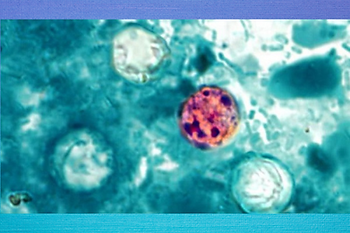
Cyclospora cayetanensis is a microscopic parasite found in contaminated food and water. It does not come from animals — it spreads when food or water is contaminated with human fecal matter, often through poor sanitation in agricultural settings. Past outbreaks in the United States have been linked to fresh produce like raspberries, basil, cilantro, and pre-washed bagged salad mixes. The illness it causes, cyclosporiasis, is not usually life-threatening for healthy adults, but it can be deeply serious for young children, elderly individuals, pregnant women, and people with weakened immune systems.
Once infected, a person can experience symptoms for anywhere from a few days to several weeks, and without treatment, the illness can come and go repeatedly. The antibiotic trimethoprim-sulfamethoxazole is the standard treatment, but getting the right diagnosis — and getting it quickly — depends heavily on doctors knowing to test for the parasite and on public health officials being able to spot a pattern when cases start to cluster.
The Surveillance System That Was Supposed to Sound the Alarm
For nearly 30 years, a program called FoodNet served as one of America's most important tools for tracking foodborne illness. Run as a partnership between the CDC, the U.S. Department of Agriculture, and state health departments, FoodNet monitored eight major pathogens — including cyclospora, campylobacter, listeria, shigella, vibrio, and yersinia — watching for unusual spikes in cases that could signal a dangerous outbreak.
In July 2025, the Trump administration scaled FoodNet back to just two mandatory pathogens — salmonella and E. coli. Surveillance of cyclospora and five other pathogens became optional for participating states. That same year, the CDC also dissolved its Division of Parasitic Diseases and Malaria, reassigning the specialists who had spent their careers studying parasites like cyclospora to other parts of the agency.
Now, a year later, cyclospora is driving the largest cyclosporiasis outbreak the country has seen in years — and health officials are trying to track it with far fewer tools than they had before.
Investigators Are Working With Limited Information
Health officials have not yet identified a common food source behind the current outbreak. The CDC has said it has no evidence connecting the cases into a single, multistate outbreak — but that determination is made significantly harder when the system built to make those connections is no longer fully functioning.
Public health experts are not surprised by what is happening. Craig Hedberg, a professor in the Division of Environmental Health Sciences at the University of Minnesota, has pushed back firmly on the suggestion that the FoodNet cuts were a reasonable efficiency measure. He rejected the CDC's characterization of the surveillance as duplicative, arguing the cuts "normalize the idea that foodborne disease surveillance is expensive and unimportant" when it is in fact "the foundation of our food safety system."
In other words, the value of a surveillance system is not always visible when things are going well. Its value becomes unmistakably clear the moment something goes wrong and the tools to respond are no longer there.
What Families Can Do Right Now
While investigators work to identify the source of the current outbreak, health officials are urging Americans to take practical steps to reduce their risk. Wash all fresh produce thoroughly under running water, even items labeled "pre-washed." Cook leafy greens when possible, especially for young children, pregnant women, or anyone with a compromised immune system. Avoid pre-washed bagged salad mixes, which have been linked to cyclospora outbreaks in the past.
If you or a family member experience prolonged or severe stomach symptoms — particularly watery diarrhea lasting more than a few days — contact a healthcare provider and ask specifically about testing for cyclospora. Many standard stool tests do not automatically screen for this parasite, so it is important to ask.
These are the same precautions that public health officials have recommended for years. They remain sound advice. But they also represent the limits of what individuals can do on their own — because truly stopping an outbreak before it reaches tens of thousands of people requires a coordinated, well-funded, always-on public health system working in the background every single day.


