Inflation Hits 4.2% — Why Your Paycheck Isn't Going as Far as It Used to

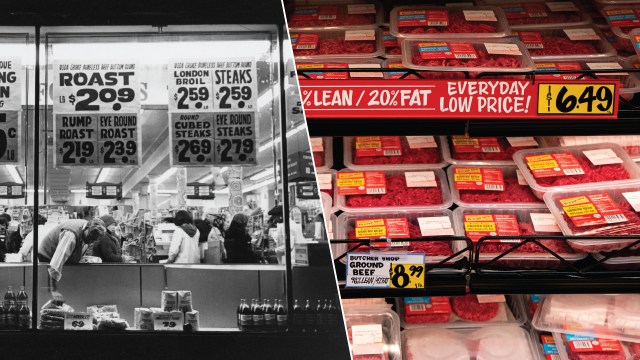
If your grocery bill feels heavier lately, or filling up your gas tank seems to cost more every week, you're not imagining it. Inflation jumped to 4.2% in May — its highest level in three years — and for millions of American families, prices are rising faster than their paychecks can keep up.
May marked the third straight month that inflation accelerated, according to the latest Consumer Price Index data. The annual rate of 4.2% is the highest recorded since April 2023, and it reflects a painful combination of surging energy costs, rising food prices, and the lingering effects of trade tariffs that are now being passed directly to shoppers.
What's Driving Prices Higher
The biggest factor behind May's spike is gasoline. Pump prices jumped 40.5% compared to the same time last year, and that single category accounted for more than 60% of the overall monthly price increase. The surge is largely connected to the ongoing conflict in the Middle East, which led to the closure of the Strait of Hormuz — a critical global shipping route for oil. Overall energy costs climbed 23.5% year over year as a result.
At the grocery store, the picture isn't much better. Food prices rose 2.7% annually, but some specific items have spiked sharply. Tomatoes are up 32%, lettuce is up nearly 25%, and coffee has climbed 17.5% over the past year. For households already watching every dollar, those increases add up fast.
Beyond energy and food, trade tariffs are also squeezing budgets. A study from the Federal Reserve Bank of Dallas found that tariffs have now reached full pass-through to consumers, meaning businesses are no longer absorbing any of those costs themselves — shoppers are paying them entirely. Researchers calculated that without tariffs, core inflation — which strips out food and energy prices — would have been 0.8 percentage points lower in March, sitting around 2.3% instead of the 3.2% it actually hit. Analysts at the Tax Foundation estimate the total tariff burden amounts to roughly $1,000 per American household.
Wages Are Not Keeping Up
Average hourly wages grew 3.6% over the past year. Under normal circumstances, that kind of wage growth would be considered solid. But when inflation is running above 4%, a 3.6% raise effectively means workers are falling behind.
A Pew Research analysis found that real wages — meaning what your earnings actually buy after accounting for inflation — fell between 1% and 3.5% over the five years ending in December 2025, no matter which price index was used to measure it. Joseph Brusuelas, chief economist at RSM, projected that real hourly earnings would be "flat to negative for April and definitely negative in May" following the energy price shock tied to the Middle East conflict.
"Americans are literally getting squeezed now," said Heather Long, chief economist at Navy Federal Credit Union. "It's not just a vibe, it's a financial reality."
Lower-Income Families Are Feeling It Most
The financial strain is not hitting everyone equally. Federal Reserve researchers have described the current economy in "K-shaped" terms — a split where higher-income households earning around $150,000 or more are largely continuing their normal spending habits, including booking vacations, while lower-income families have been cutting back significantly, even on basics like gasoline.
Elizabeth Renter, senior economist at NerdWallet, put it plainly after the May report was released: "Consumers are paying more for essentials, and they can feel powerless to mitigate this pain."
What Comes Next for Interest Rates
The Federal Reserve, which uses interest rate decisions as one of its main tools to manage inflation, is now under pressure to hold rates steady or even raise them — a development that would disappoint many homebuyers and borrowers who had been hoping for rate cuts this year. Higher interest rates make mortgages, car loans, and credit card debt more expensive.
Nancy Vanden Houten of Oxford Economics suggested that May's 4.2% rate could represent the peak for the year, but added that what happens next depends heavily on how the situation in the Middle East develops and whether energy prices stabilize. For now, American families are left navigating a budget that has to stretch further with each passing month.


